For cross-border e-commerce sellers, account suspensions are rarely caused by a single obvious violation.
More often, platforms gradually lose trust in an account after long-term monitoring.
When a system cannot confirm that your account is operating in a real, stable, and independent environment, restrictions—or even permanent suspension—can happen, even if every action appears compliant.
That’s why so many sellers ask:
“I didn’t fake reviews, I didn’t infringe, I didn’t break the rules — so why was my account suspended?”
The answer is simple:
Platforms evaluate your overall risk profile, not individual actions.
The Risk Signals Platforms Actually Monitor
In real-world risk control systems, platforms focus on long-term behavioral and environmental signals, not isolated incidents:
1. Highly Similar Operating Environments Across Accounts
When multiple accounts are accessed from identical or highly similar device environments, platforms analyze browser fingerprints, system parameters, and local data to identify common ownership.
2. Unstable Device Characteristics
Legitimate sellers typically use consistent devices over time.
Frequent changes in system settings or browser configurations make an account appear unnatural and untrustworthy.
3. Mismatch Between Network Source and Account Behavior
Constant IP changes, shared network exits, or login locations that don’t align with historical behavior are strong red flags.
4. Non-Natural Operating Patterns
Sudden bursts of activity or aggressive actions on newly created accounts can significantly lower an account’s trust score.
5. Overlapping Identity Signals
Once device data, network signals, behavior patterns, or historical records overlap across accounts, platforms begin building association models—and risk escalates rapidly.
Individually, these issues may not be fatal.
Combined, account suspension becomes only a matter of time.
Why “Quick Fixes” Rarely Work
When risks appear, many sellers attempt short-term solutions such as:
- Clearing browser data
- Switching IP addresses
- Logging in with a new account
However, platform risk control systems rely on long-term, multi-dimensional analysis.
Fixing only one variable rarely changes your overall risk profile—and frequent environment changes may actually amplify abnormal signals.
The only effective approach is this:
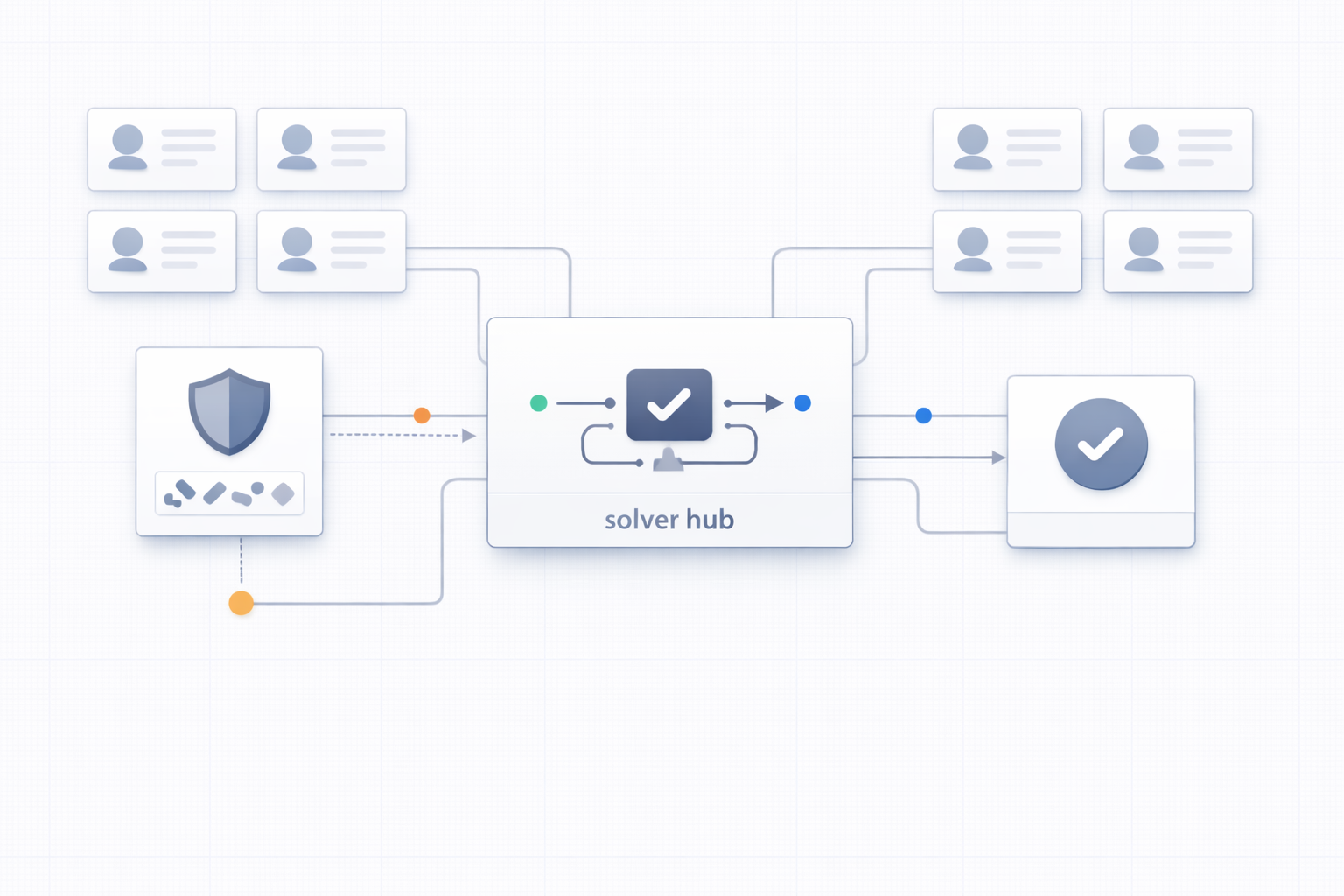
Build long-term, stable, and fully isolated account environments from the source.
VMLogin: An Environment-Level Solution Built for Multi-Account Sellers
This is exactly why VMLogin Antidetect Browser exists.
VMLogin is not designed to “bypass platform rules.”
It helps sellers technically establish realistic, platform-compliant operating environments that align with how legitimate users behave.
With VMLogin, you can:
- Create fully isolated browser profiles for each e-commerce account
- Separate browser fingerprints, cookies, local storage, and system parameters
- Bind device environments to dedicated proxy IPs for long-term stability
- Manage multiple accounts on one computer, each appearing as a unique physical device
From the platform’s perspective, this means:
👉 Every account operates independently
👉 No environmental overlap
👉 Stable, consistent, and trustworthy behavior patterns
These are exactly the signals modern risk-control systems value most.
Multi-Account Operations: A Clear Turning Point
As your number of accounts grows, environment management becomes a core capability, not an optional tactic.
Relying on temporary tricks only increases long-term risk.
Building scalable, stable account environments is what truly supports sustainable growth.
That’s why more cross-border sellers, brands, and e-commerce service teams now treat VMLogin as infrastructure, not a last-minute rescue tool.
Start Building a Secure, Long-Term Environment Today
If you manage multiple e-commerce accounts—or are already facing account linkage, abnormal logins, or frequent risk alerts—now is the right time to reset your environment strategy.
👉 Try VMLogin Fingerprint Browser Free today!
Create independent, realistic, and long-term trusted environments for every account—bringing stability and control back to your operations.